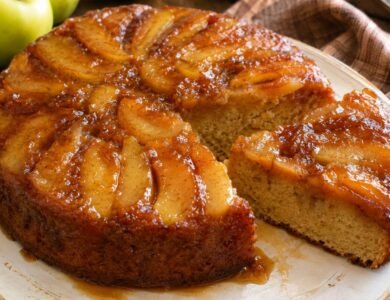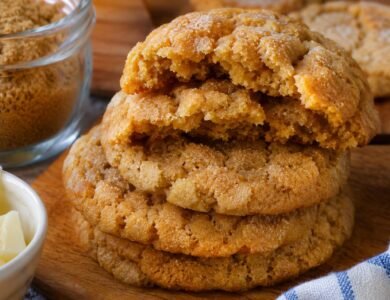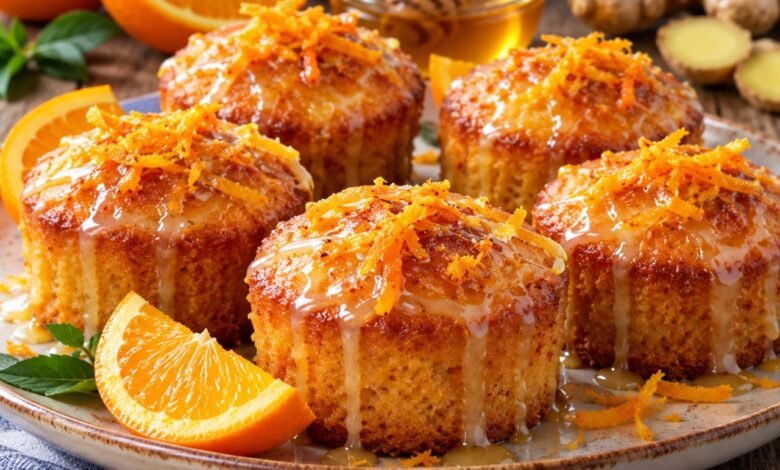
These honey ginger orange cakes bring together three beautiful flavors: floral honey, fresh orange, and warming ginger. The result is a soft, fragrant cake with a gentle citrus tang and a cozy spice finish.
Made as individual mini cakes, they are lovely for afternoon tea, holiday dessert trays, weekend baking, or a simple homemade treat. A light honey-orange glaze adds extra moisture and bright citrus flavor without covering up the delicate taste of the cake.
The secret to a tender crumb is balancing the liquid ingredients, using fresh orange zest, and mixing the batter only until combined. Follow the steps below for a batch of small cakes that look inviting and taste even better.
Why You’ll Love These Honey Ginger Orange Cakes
- Bright citrus flavor: Fresh orange zest adds fragrant citrus oils, while orange juice brings a little tang.
- Naturally sweet honey: Honey gives the cakes a rounded sweetness and helps create a tender texture.
- Gentle ginger warmth: Ground ginger adds spice without overpowering the orange.
- Individual portions: Mini cakes are easy to serve, share, and package.
- Simple honey-orange glaze: A quick brush of glaze makes the warm cakes extra fragrant.
What Do Honey Ginger Orange Cakes Taste Like?
These cakes are sweet, citrusy, and gently spiced. Orange zest provides the strongest fresh-orange aroma, honey adds a mellow sweetness, and ginger brings a warm finish.
The crumb should be soft and tender rather than heavy or wet. Because honey browns faster than some other sweeteners, watch the cakes toward the end of baking and avoid leaving them in the oven longer than necessary.
Ingredients You’ll Need
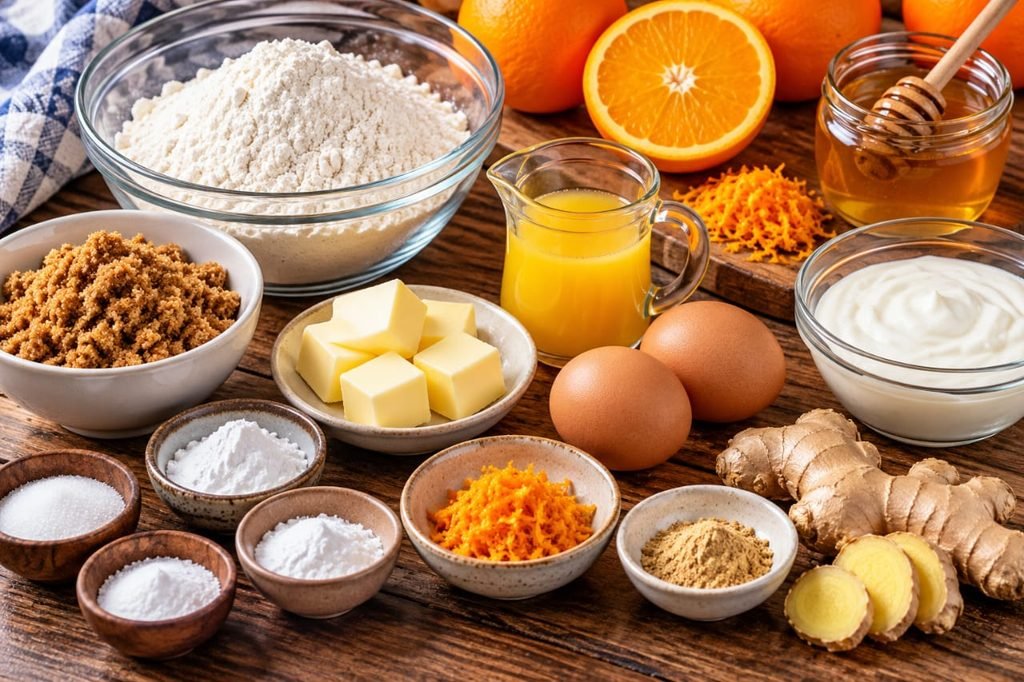
For the Cakes
- 2 cups (250 g) all-purpose flour: Provides the structure for the mini cakes.
- 1 1/2 teaspoons baking powder: Helps the cakes rise.
- 1/2 teaspoon baking soda: Works with the acidic ingredients to support the rise.
- 1/2 teaspoon salt: Balances the sweetness.
- 1 teaspoon ground ginger: Gives the cakes their gentle warming flavor.
- 1/2 teaspoon ground cinnamon (optional): Adds extra warmth.
- 1/2 cup (113 g) unsalted butter, softened: Adds richness and tenderness.
- 3/4 cup (255 g) honey: Sweetens the batter and contributes moisture.
- 2 large eggs, at room temperature: Help bind the batter.
- 1 tablespoon finely grated orange zest: Gives the cakes a fresh citrus aroma.
- 1/4 cup (60 ml) fresh orange juice: Adds citrus flavor and moisture.
- 1/2 cup (120 g) plain yogurt: Helps create a tender crumb.
- 1 tablespoon finely grated fresh ginger (optional): Adds a brighter, more pronounced ginger flavor.
For the Honey-Orange Glaze
- 2 tablespoons honey: Adds a glossy, lightly sweet finish.
- 1 tablespoon fresh orange juice: Brightens the glaze.
- 1/2 teaspoon finely grated orange zest (optional): Adds extra citrus aroma.
Choosing the Best Ingredients
Fresh Oranges
Choose an orange with fragrant skin and firm, juicy flesh. Wash and dry it before zesting. Grate only the orange outer layer, avoiding the bitter white pith beneath it.
Honey
A mild floral honey lets the orange and ginger remain noticeable. Darker honey can create a deeper flavor, but it may be more pronounced in the finished cake.
Ginger
Ground ginger gives a steady, warm spice flavor. Freshly grated ginger tastes brighter and sharper. Use the optional fresh ginger if you enjoy a more noticeable ginger kick.
How to Make Honey Ginger Orange Cakes
Step 1: Prepare the Oven and Pans
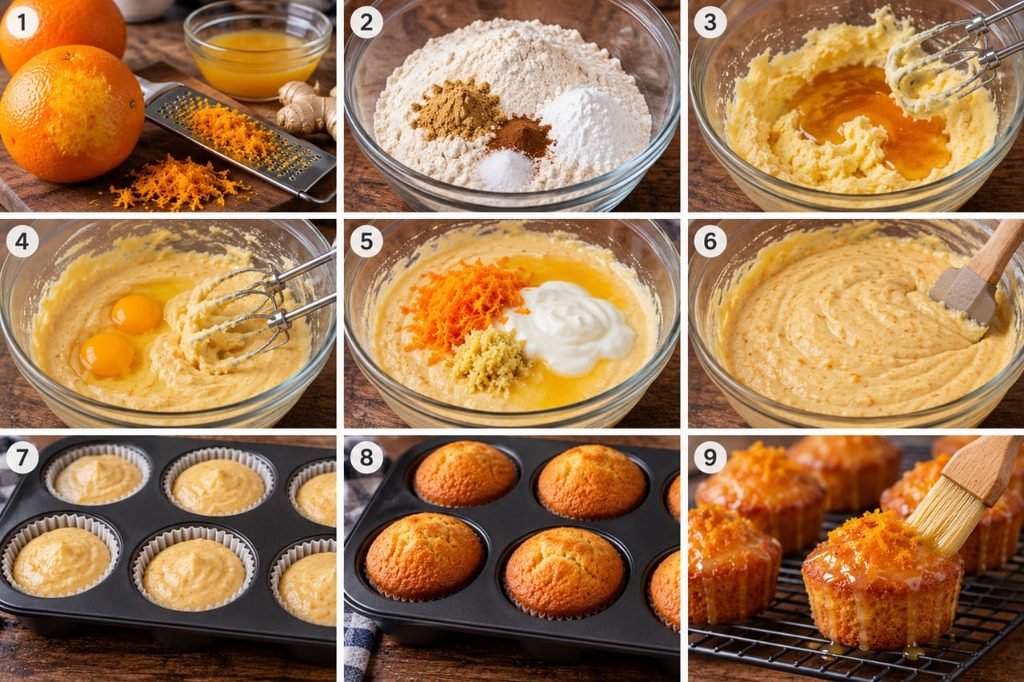
Preheat the oven to 350°F (175°C). Grease eight mini cake molds or jumbo muffin cups, or line the cavities with suitable paper liners. If using a different size of pan, the baking time will change.
Step 2: Mix the Dry Ingredients
In a medium bowl, whisk together the flour, baking powder, baking soda, salt, ground ginger, and optional cinnamon. Mix well so the leavening and spices are evenly distributed.
Step 3: Cream the Butter and Honey
In a separate large bowl, beat the softened butter and honey until smooth and creamy. The mixture may not become as fluffy as butter creamed with granulated sugar, which is normal because honey has a different consistency.
Step 4: Add the Eggs
Beat in the eggs one at a time, mixing after each addition. If the mixture looks slightly separated, continue gently mixing until it becomes as uniform as possible.
Step 5: Add the Orange, Ginger, and Yogurt
Mix in the orange zest, orange juice, yogurt, and optional fresh ginger. Stir until the ingredients are combined.
Step 6: Finish the Batter
Add the dry ingredients to the wet mixture in two additions. Fold gently with a spatula just until no large pockets of dry flour remain. Do not beat the batter for too long, as overmixing can make the cakes tough.
Step 7: Fill the Cake Molds
Divide the batter evenly among the prepared molds, filling each about two-thirds to three-quarters full. Leave enough space for the cakes to rise.
Step 8: Bake Until Just Done
Bake for approximately 18–25 minutes, depending on the size and material of your molds. Begin checking early. The tops should spring back lightly when touched, and a toothpick inserted into the center should come out without wet batter.
If the cakes are browning too quickly before the centers are ready, loosely cover them with foil for the remaining baking time.
Step 9: Prepare the Glaze
While the cakes bake, combine the honey and orange juice in a small saucepan. Warm gently over low heat until the honey loosens and the mixture is easy to brush. Do not boil it for a long time. Stir in the optional orange zest.
Step 10: Glaze and Cool
Let the cakes rest in their pans for about 5 minutes. Carefully remove them and place them on a wire rack. Brush a thin layer of warm honey-orange glaze over the cakes while they are still slightly warm.
Allow the cakes to cool enough for the glaze to settle before serving.
Tips for Soft, Moist Mini Cakes
- Measure the flour carefully: Too much flour can make honey-sweetened cakes dry or dense.
- Use room-temperature ingredients: Butter, eggs, and yogurt combine more evenly when they are not very cold.
- Do not overmix: Stop folding as soon as the dry ingredients are incorporated.
- Zest before juicing: It is easier to remove the zest from a whole orange.
- Check early: Mini cakes bake faster than a full-size cake, and the exact time depends on the pan.
- Glaze lightly: A thin layer adds flavor without making the surface overly sticky.
Common Mistakes to Avoid
Adding Too Much Orange Juice
Extra juice changes the liquid balance and may leave the center too wet. Measure the juice rather than estimating it.
Using Too Much Ginger
Ginger should complement the orange and honey. If you prefer a mild flavor, use the ground ginger as listed and skip the optional fresh ginger.
Overbaking the Cakes
Small cakes can dry out quickly. Check the centers with a toothpick and remove the cakes as soon as they are baked through.
Glazing the Cakes While Very Hot
If the cakes are piping hot, the glaze may run off too quickly. Let them rest briefly before brushing on a thin coating.
Easy Variations
- Extra citrus: Add a little more orange zest, keeping the wet ingredient quantities unchanged.
- Stronger ginger flavor: Include the optional fresh ginger along with the ground ginger.
- Warm spice: Add the optional cinnamon for a flavor reminiscent of gingerbread.
- Simple orange icing: Once the cakes are cool, mix powdered sugar with a small amount of orange juice and drizzle over the tops instead of using the honey glaze.
- Loaf cake version: The batter may be baked in a small loaf pan, but it will need a longer baking time. Check the center carefully and do not rely on the mini-cake timing.
What to Serve with Honey Ginger Orange Cakes
These mini cakes pair beautifully with black tea, Earl Grey, coffee, or a mild herbal tea. For dessert, serve them with fresh orange segments, plain yogurt, or a small spoonful of lightly sweetened whipped cream.
They also make a lovely addition to a brunch table or a homemade dessert assortment during the cooler months.
How to Store Honey Ginger Orange Cakes
Let the cakes cool completely before storing them in an airtight container. For best quality, keep them in a cool place and enjoy within about 2–3 days. Because this recipe contains eggs and yogurt, refrigerate them if your kitchen is warm or if you need to store them longer.
To serve refrigerated cakes, let them sit briefly at room temperature or warm them gently. Avoid overheating, which can dry out the crumb.
Can You Freeze These Cakes?
Yes, the unglazed cakes can be frozen once completely cool. Wrap them individually or place them in a freezer-safe container, separating layers with parchment paper. Freeze for up to 2 months for best quality.
Thaw while covered at room temperature, then add the honey-orange glaze shortly before serving.
Frequently Asked Questions
Can I use bottled orange juice?
Fresh orange juice is preferred because it gives the cakes a brighter flavor. Bottled juice can work, but use the same measured quantity and retain the fresh zest if possible.
Can I replace ground ginger with fresh ginger?
Fresh ginger has a sharper, fresher taste, while ground ginger is warmer and more concentrated. The recipe includes ground ginger for consistency, with a smaller optional amount of fresh ginger for extra flavor.
How do I know when mini cakes are done?
The tops should look set and spring back lightly when touched. A toothpick inserted into the center should come out without wet batter. Start checking early because smaller molds bake faster.
Can I make these cakes ahead of time?
Yes. Bake them ahead and store them in an airtight container after cooling. For the freshest citrus aroma, add the glaze closer to serving time.
Are these honey ginger orange cakes vegan?
No. This version contains butter, eggs, and yogurt. It should not be categorized as vegan.
Final Thoughts
Honey ginger orange cakes are a lovely way to bring bright citrus flavor and gentle spice into a simple homemade dessert. Honey provides mellow sweetness, orange zest adds freshness, and ginger creates a warm finish.
Keep the batter mixing gentle, check the cakes early, and finish with a light honey-orange glaze. Serve them with tea or coffee for an easy treat that feels special without requiring complicated decorating.