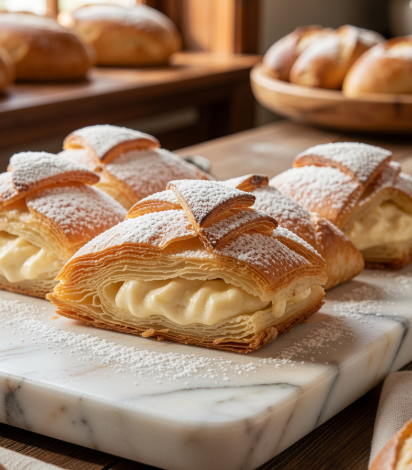
If you’ve ever wandered into an Italian bakery and spotted those crisp, shell-shaped pastries filled with luscious cream, you’ve probably admired the famous lobster tail pastry. Despite the name, there’s no seafood involved. Instead, this iconic Italian-American dessert is a larger, flakier cousin of the classic sfogliatella, celebrated for its delicate layers and rich filling.
Ferrara Bakery has become one of the best-known places to enjoy these pastries, inspiring home bakers to recreate them from scratch. While they may look intimidating, making lobster tails at home is absolutely possible with patience and the right technique. The reward is a bakery-quality dessert with buttery, crackling layers surrounding a silky vanilla-ricotta filling that melts in every bite.
This guide walks you through every step, from preparing the dough to shaping those signature shells and baking them until beautifully golden. Whether you’re baking for a holiday, a family gathering, or simply because you love Italian pastries, this recipe delivers impressive results that taste every bit as special as they look.
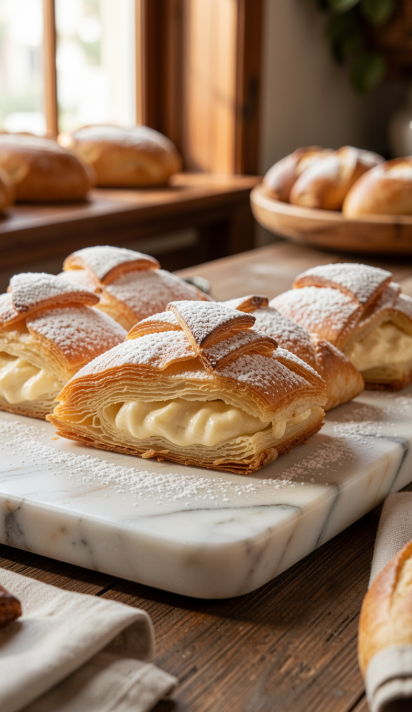
How to Make Perfect Lobster Tails Like Ferrara Bakery: A Step-by-Step Guide
If you’ve ever wandered into an Italian bakery and spotted those crisp, shell-shaped pastries filled with luscious cream, you’ve probably admired the famous lobster tail pastry. De
Table of Contents
Recipe Overview
| Detail | Information |
|---|---|
| Prep Time | 1 hour 30 minutes |
| Cook Time | 30 minutes |
| Chilling Time | 2 hours |
| Total Time | About 4 hours |
| Servings | 8 pastries |
| Cuisine | Italian-American |
| Course | Dessert |
| Calories | Approximately 430 per pastry |
Why You’ll Love This Recipe
There are plenty of reasons this homemade lobster tail pastry deserves a spot in your baking collection.
- Creates authentic bakery-style flaky layers.
- Rich, creamy filling that’s smooth without being overly sweet.
- Perfect for holidays, brunches, and celebrations.
- Impressive presentation despite using everyday ingredients.
- Detailed instructions make it approachable for beginners.
- Wonderful make-ahead dessert.
- Better value than buying bakery pastries.
- Customizable with different fillings and flavors.
Each bite combines buttery crispness with velvety pastry cream, making it one of the most memorable Italian desserts you’ll ever bake.
Ingredients
For the Dough
- 3 cups bread flour
- 1 teaspoon kosher salt
- 1 tablespoon granulated sugar
- 1 cup warm water
- 2 tablespoons unsalted butter, softened
For Laminating
- 1½ cups unsalted butter, softened
For the Filling
- 1 cup whole milk ricotta, drained
- 1 cup pastry cream
- ½ cup powdered sugar
- 1 teaspoon vanilla extract
- ½ teaspoon lemon zest
- ¼ teaspoon cinnamon (optional)
For Finishing
- Powdered sugar
- Egg wash (1 egg beaten with 1 tablespoon water)
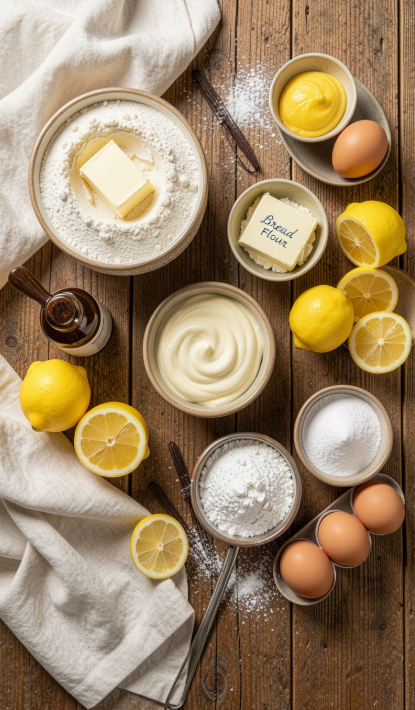
Ingredient Notes
Bread Flour
Bread flour develops stronger gluten, giving the dough the elasticity needed for creating dozens of delicate layers.
Butter
European-style butter with higher butterfat creates flakier pastries and richer flavor.
Ricotta Cheese
Drain ricotta thoroughly using cheesecloth or a fine mesh strainer for at least one hour. Excess moisture can make the filling too loose.
Pastry Cream
Homemade pastry cream provides the richest flavor, but a high-quality prepared version also works well.
Lemon Zest
Fresh lemon zest brightens the filling without making it taste citrusy.
Vanilla
Pure vanilla extract creates a warm bakery aroma that’s difficult to match with imitation flavoring.
Step-by-Step Instructions
1. Prepare the Dough
In a large mixing bowl, combine bread flour, sugar, and salt.
Gradually add warm water while mixing until a rough dough forms.
Knead for about 10 minutes until smooth and elastic.
Mix in the softened butter during the final few minutes of kneading.
Cover the dough and let it rest for 30 minutes.
2. Roll the Dough
Place the dough onto a lightly floured surface.
Roll it into a long rectangle approximately 8 inches wide and 24 inches long.
The dough should be thin but not transparent.
3. Laminate with Butter
Spread softened butter evenly across the entire surface using an offset spatula.
Leave about a half-inch border around the edges.
Starting from one long side, roll the dough tightly into a log.
Wrap in plastic wrap.
Refrigerate for at least two hours.
4. Prepare the Filling
While the dough chills, combine:
- Ricotta
- Pastry cream
- Powdered sugar
- Vanilla
- Lemon zest
- Cinnamon
Mix until completely smooth.
Transfer to a piping bag.
Refrigerate until needed.
5. Slice the Dough
Remove the chilled dough.
Using a sharp knife, slice into eight equal pieces.
Each piece should resemble a spiral.
6. Shape the Lobster Tails
Hold each spiral in your hands.
Carefully stretch and rotate it while gently separating the layers to create a cone-shaped shell.
Avoid tearing the delicate dough.
7. Fill Each Pastry
Pipe a generous amount of filling into each shell.
Don’t overfill, as the filling expands slightly while baking.
8. Brush with Egg Wash
Brush each pastry lightly with egg wash for an evenly browned finish.
9. Bake
Bake in a preheated 400°F (200°C) oven for 25–30 minutes.
The pastries should become deeply golden with crisp, flaky layers.
10. Cool and Finish
Allow the pastries to cool for 15 minutes.
Dust generously with powdered sugar before serving.
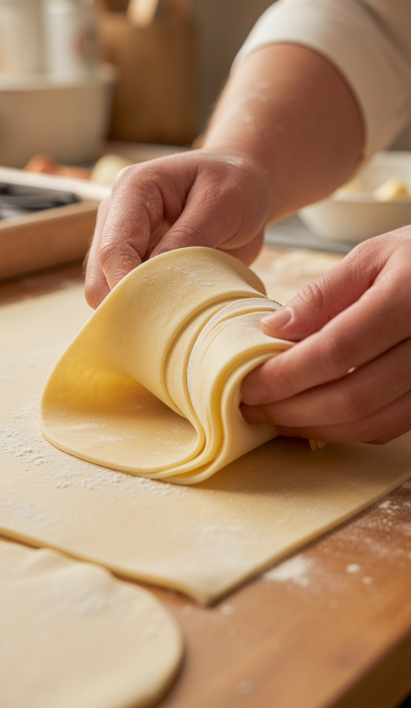
Expert Tips
Keep Everything Cold
Cold butter creates distinct flaky layers. If the dough becomes too soft, refrigerate it before continuing.
Don’t Rush the Lamination
Even butter distribution leads to more even layers after baking.
Drain Ricotta Well
Extra moisture is the biggest reason fillings become runny.
Bake Until Deep Golden
A darker golden color means the layers have crisped properly.
Dust Before Serving
Powdered sugar looks freshest when added just before serving.
Variations
Chocolate Cream Filling
Replace half of the pastry cream with chocolate pastry cream.
Pistachio Version
Mix chopped roasted pistachios into the filling.
Orange Vanilla
Swap lemon zest for fresh orange zest.
Espresso Cream
Add one teaspoon espresso powder to the filling for a coffee-inspired dessert.
Berry Filling
Fold fresh raspberries into the pastry cream immediately before piping.
Storage Instructions
Because of the dairy filling, proper storage is important.
- Refrigerate in an airtight container for up to 3 days.
- Store in a single layer to preserve the flaky shells.
- Avoid stacking pastries.
For longer storage:
Freeze baked pastries individually for up to one month.
Wrap tightly before freezing.
Reheating Tips
To restore crispness:
- Bake at 325°F for 8–10 minutes.
- Allow to cool slightly.
- Dust with fresh powdered sugar.
Avoid microwaving, which softens the delicate layers.
Common Mistakes to Avoid
Using Warm Butter
Butter that melts into the dough prevents distinct flaky layers.
Skipping Chill Time
Cold dough is much easier to shape.
Overfilling
Too much filling may leak during baking.
Thick Dough
Thin dough creates the signature airy texture.
Underbaking
Pale pastries won’t have the crisp exterior that makes lobster tails famous.
What to Serve With
These pastries pair beautifully with a variety of drinks and accompaniments.
- Fresh espresso
- Cappuccino
- Italian hot chocolate
- Fresh berries
- Vanilla gelato
- Whipped cream
- Fresh fruit salad
- Sparkling wine for celebrations
They’re equally delicious as an elegant brunch dessert or an after-dinner treat.
Frequently Asked Questions
Can I make lobster tail pastry ahead of time?
Yes. The dough can be prepared and refrigerated for up to two days before shaping and baking.
Is this the same as sfogliatella?
Not exactly. Lobster tails are larger, lighter, and usually filled with pastry cream combined with ricotta, while traditional sfogliatella often contains a semolina-based filling.
Can I freeze unbaked pastries?
Yes. Shape and fill them first, then freeze on a baking sheet before transferring to freezer bags. Bake directly from frozen, adding a few extra minutes to the baking time.
Why did my layers stick together?
This usually happens if the butter softened too much during lamination or the dough wasn’t chilled long enough.
Can I use puff pastry instead?
You can, but the texture won’t closely resemble authentic Italian lobster tail pastries. Homemade laminated dough creates the signature shell-like layers.
How do I know they’re fully baked?
The pastries should have a deep golden-brown color with crisp, well-defined layers. If they’re pale, they likely need a few more minutes in the oven.
Can I flavor the filling differently?
Absolutely. Almond extract, orange zest, pistachio paste, chocolate, or espresso all make excellent additions to the classic filling.
Why is my filling watery?
Ricotta that hasn’t been drained thoroughly is the most common cause. Let it drain for at least an hour before mixing with the pastry cream.
Conclusion
Making perfect lobster tails like Ferrara Bakery at home is a rewarding baking project that transforms simple ingredients into an extraordinary Italian pastry. While creating the delicate laminated dough requires a bit of patience, each buttery, flaky layer is well worth the effort. Combined with a silky ricotta and pastry cream filling, these pastries capture the charm of an authentic Italian bakery right in your own kitchen.
Whether you’re preparing them for a special celebration, a weekend baking adventure, or simply to satisfy a craving for something unforgettable, these homemade lobster tails are guaranteed to impress. Once you’ve mastered the technique, you’ll discover that this classic dessert is not only achievable but also incredibly satisfying to make from scratch.
Dust them generously with powdered sugar, serve them alongside a freshly brewed espresso, and enjoy every crisp, creamy bite. If you try this recipe, share your results, favorite filling variations, and baking tips you may inspire another home baker to create their own bakery-worthy masterpiece.