More Than Just a Sushi Sidekick
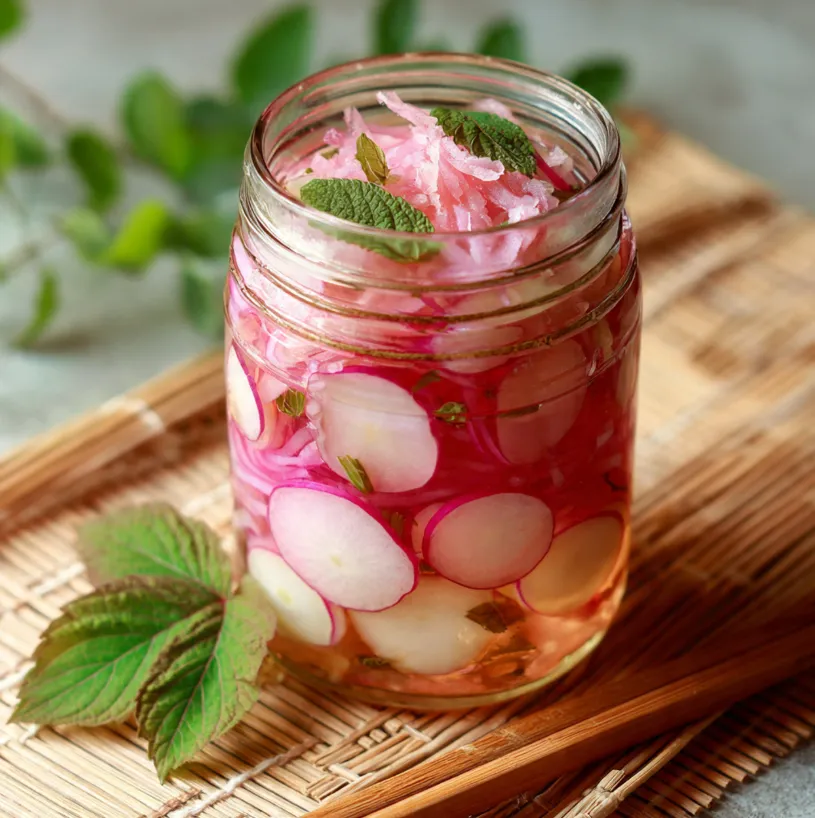
This red and white pickled ginger recipe brings together simple ingredients for maximum flavor. Have you ever wondered about that vibrant, tangy pile of ginger served alongside your sushi? That’s pickled ginger, or “Gari,” and it’s far more than just a colorful garnish. In the world of Sushi Modoki (ingredient-substitute or “fake” sushi often using vegetables), pickled ginger takes center stage. It’s a palate cleanser, a digestive aid, and a burst of flavor that elevates every bite.
This article will guide you through creating two beautiful versions at home: the classic white pickled ginger and the stunning red pickled ginger. Forget the store-bought versions with artificial colors and preservatives. Our homemade pickled ginger recipe is all-natural, surprisingly simple, and yields a condiment so delicious you’ll want to add it to everything. Whether you’re a sushi enthusiast, a plant-based foodie, or a cooking beginner, this culinary delight is a must-try project that promises impressive results.
What You’ll Need: Simple Ingredients for Extraordinary Flavor
The beauty of this recipe lies in its simplicity. You likely have most of these ingredients in your pantry already. The key is using the freshest, youngest ginger root you can find for the most tender and delicate result.
Essential Ingredients for Pickled Ginger
For the Ginger and Brine Base:
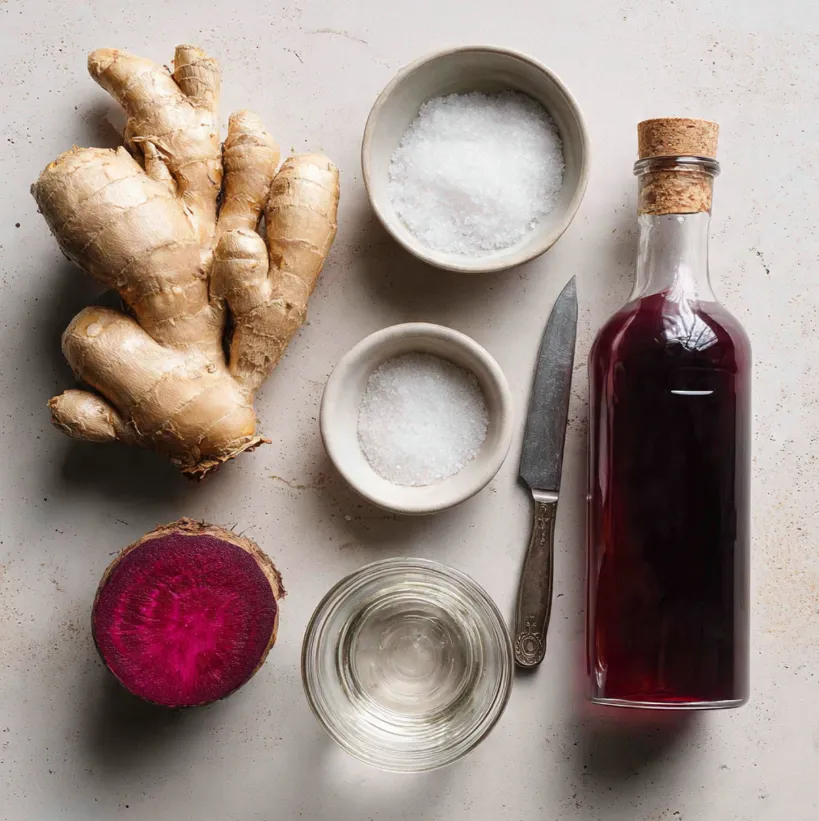
- 250g (about ½ lb) fresh young ginger root: Look for smooth, thin skin with pinkish tips. Young ginger is less fibrous and more tender.
- 1 ½ cups rice vinegar: This is the traditional choice for its mild, slightly sweet acidity.
- ½ cup granulated sugar: Adjust to taste. This balances the sharp vinegar.
- 1 ½ teaspoons fine sea salt: Enhances flavor and acts as a preservative.
For the Natural Red Color (Optional):
- A few slices of fresh beet (about 1-2 thin slices) OR 1 tablespoon of the brine from store-bought red pickled ginger: Using beet is a 100% natural way to achieve that iconic pink hue without artificial dyes.
Equipment Needed:
- Vegetable peeler or spoon
- Mandoline slicer or a very sharp knife
- Medium saucepan
- Glass jar(s) with airtight lid (about 16-oz capacity), sterilized
- Small bowl for ice water (optional, for crisper ginger)
Step-by-Step Guide to Perfect Homemade Pickled Ginger
Follow these numbered steps carefully for foolproof results. The process is largely about patience, but the active work takes less than 30 minutes.
How to Make Pickled Ginger: Step-by-Step Instructions
Step 1: Prepare the Ginger Root
Start by washing the ginger root thoroughly. You have a choice here: for a more traditional look and slightly stronger skin texture, simply scrub it clean. For a more delicate, entirely pale result, use a spoon or vegetable peeler to gently remove the thin skin. Young ginger skin is so thin that this is easy to do.
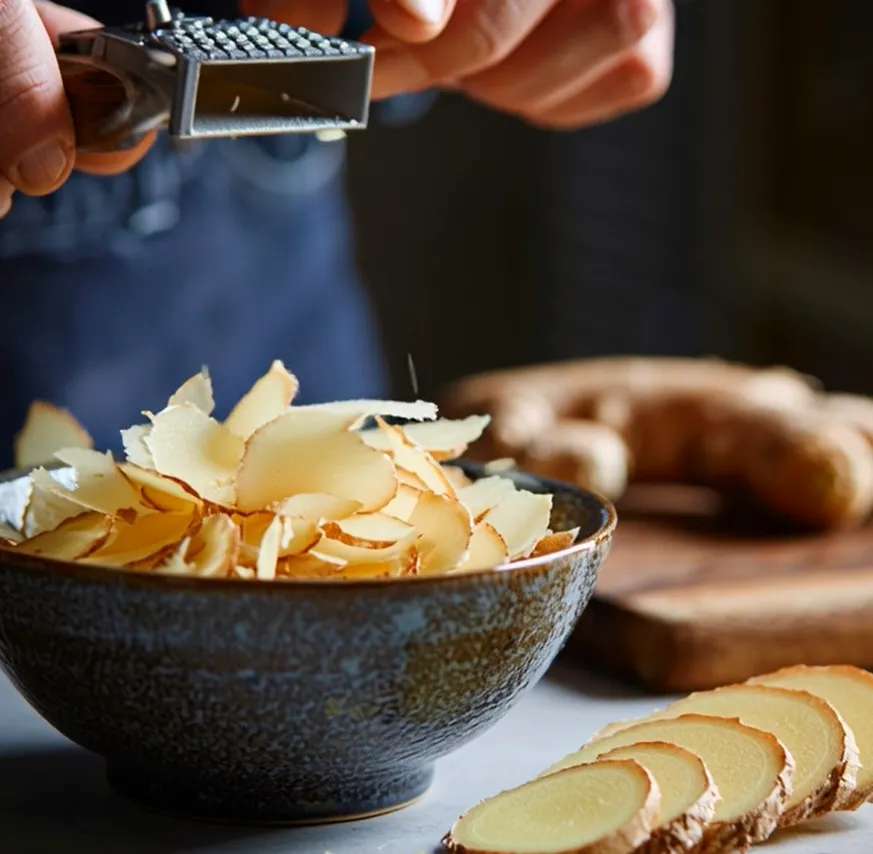
Step 2: Slice the Ginger Paper-Thin
This is the most crucial step for texture. Using a mandoline slicer set to about 1-2mm thickness is ideal for perfectly even, translucent slices. Always use the finger guard for safety. If using a knife, take your time to slice the ginger as thinly as possible, ideally against the grain. Thinner slices will pickle faster and have a better texture.
Step 3: “Blanch” the Ginger (Optional but Recommended)
Place the sliced ginger in a heatproof bowl. Bring a small pot of water to a boil and pour it directly over the ginger slices. Let it sit for exactly 45 seconds to 1 minute. This step softens the ginger’s intense sharpness and slightly reduces its fibrousness. Immediately drain and, for an extra-crisp texture, you can plunge the slices into a bowl of ice water for a minute before draining again thoroughly.
Step 4: Create the Pickling Brine
In your medium saucepan, combine the rice vinegar, sugar, and salt. Heat over medium-low, stirring constantly, just until the sugar and salt fully dissolve. Do not let it boil vigorously. Once dissolved, remove the brine from the heat and let it cool for 5-10 minutes.
Step 5: Divide and Color (For Red Ginger)
Divide your drained ginger slices into two roughly equal portions. Place one portion directly into your clean, sterilized glass jar this will become your white pickled ginger.
To the remaining brine in the pan, add 1-2 very thin slices of raw beet. Stir and let it steep for 5 minutes. The brine will turn a beautiful, deep pink. Remove and discard the beet slices.
Step 6: Pickle and Patience!
Pour about half of the warm (not hot) brine over the white ginger in the jar, ensuring it’s mostly covered. Take the second portion of ginger slices and place them in the now-pink brine. Let them sit for 2-3 minutes until they take on a light pink hue.
Using a fork or tongs, transfer the now-pink ginger slices on top of the white ginger in the jar. Pour the remaining pink brine over everything until all ginger is submerged.
Step 7: Cool and Store
Seal the jar tightly and let it cool to room temperature on the counter. Once cool, place it in the refrigerator. The magic happens here! Your pickled ginger will be ready to eat in about 24 hours, but the flavor deepens and improves over 5-7 days. It will keep for 2-3 months refrigerated.
Pro Tips for Pickling Perfection
Useful Tips for the Best Pickled Ginger
- Finding Young Ginger: Look for it at Asian grocery stores, especially in spring and summer. It’s often labeled “new ginger” or “spring ginger” and has a pinkish, shiny skin.
- No Mandoline? Use a vegetable peeler to create wide, thin ribbons for a different, elegant look.
- Adjusting Sweetness & Tartness: Feel free to tweak the sugar-vinegar ratio to your taste. Some prefer it more tart (less sugar), while others like it sweeter.
- Vinegar Variations: While rice vinegar is classic, you can experiment with mild apple cider vinegar for a fruitier note.
- The Beet Trick: For a deeper red color, let the beet slices steep in the brine longer. Remember, a little beet goes a long way!
- Always Use Clean Utensils: To prevent mold and spoilage, always use a clean fork or chopsticks to remove ginger from the jar.
Conclusion: Your Homemade Condiment Awaits
Congratulations! You’ve just unlocked the secret to making a vibrant, flavorful, and all-natural condiment that will transform your meals. This homemade red and white pickled ginger is not just for sushi—try it on grain bowls, with grilled meats or tofu, in sandwiches, or even as a bright, detoxifying addition to sparkling water.
Making pickled ginger from Sushi Modoki traditions connects you to a world of mindful, flavorful cooking. It’s a simple act of preservation that yields spectacular taste. So, don’t just read about this culinary delight grab some young ginger and experience the pride and pleasure of creating it yourself. Your taste buds (and your Instagram feed) will thank you.
Ready to try? Share your beautiful creations and tag us!
For more general food safety and nutrition guidance, see the Harvard T.H. Chan School of Public Health Nutrition Source.
You Might Also Like
- Antipasto Cream Cheese Log: The Ultimate Holiday Appetizer
- Smoked Salmon Roses: An Elegant Appetizer for Stunning First Impressions
- Blackened Shrimp Avocado Cucumber Bites: Your New Favorite 42-Piece Party Appetizer