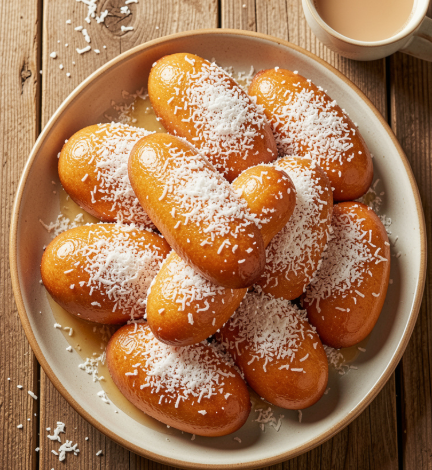
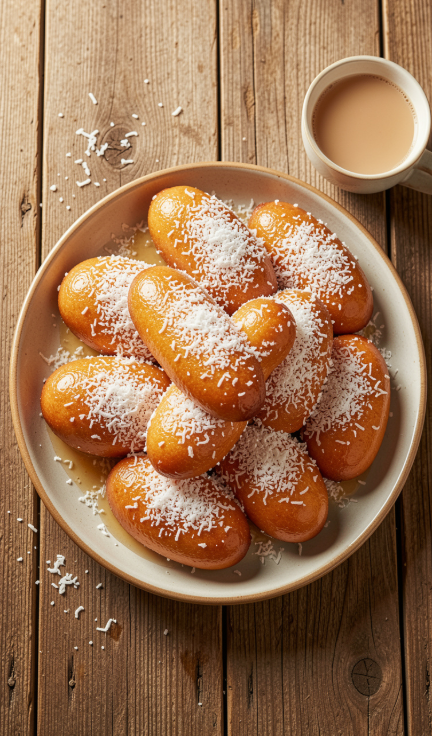
There are some recipes that are more than just food they carry the warmth of community and the memory of Sunday mornings. In the Western Cape, it’s a tradition among Cape Malay families to serve these pillowy, spice syrup–infused, coconut-dusted doughnuts on Sundays, accompanied by milky tea and chatter .
These Cape Malay koeksisters (often spelled “koesisters” by purists to distinguish them from the plaited Afrikaner version ) are a sweet, spiced delight. The dough is a fragrant blend of cinnamon, cardamom, ginger, and aniseed, making every bite a flavor celebration . Unlike the crisp, syrupy plaited koeksisters you might have seen, these are soft, dark brown, and doughnut-like in texture with a cake-like crumb .
Cape Malay Koeksisters: A Sweet, Syrupy Taste of South Africa
There are some recipes that are more than just food they carry the warmth of community and the memory of Sunday mornings. In the Western Cape, it’s a
Table of Contents
Recipe Overview
- Prep Time: 25 minutes (plus 2-3 hours rising)
- Cook Time: 20 minutes
- Total Time: Approximately 3 hours
- Servings: Approximately 30-40 koeksisters
- Cuisine: South African (Cape Malay)
- Course: Dessert, Breakfast
- Calories (Approximate): 250-300 per koeksister
Why You’ll Love This Recipe
This recipe is a wonderful introduction to the vibrant flavors of Cape Malay cooking.
- Warm Spices: The combination of cardamom, cinnamon, ginger, and aniseed creates a unique and addictive aromatic profile you won’t find in ordinary doughnuts .
- Pillowy Soft Texture: The yeast dough, enriched with milk and butter, fries up to a soft, airy interior.
- Sweet Syrupy Finish: The hot syrup soak ensures every koeksister is moist and deliciously sweet.
- Perfect for Sharing: This recipe makes a generous batch, perfect for sharing with family and friends.
Ingredients
For the Koeksister Dough:
- 4 cups cake flour
- 2 cups self-raising flour
- ⅓ cup sugar
- 1 packet (10g) instant yeast
- 1 tablespoon (10ml) fine cardamom
- 1 tablespoon (10ml) fine ginger
- 1 tablespoon (10ml) fine cinnamon
- 1 tablespoon (10ml) aniseed
- 1 teaspoon salt
- 1 large egg
- 1 tablespoon oil
- 30g butter
- 1½ cups hot water
- 1½ cups milk
For the Spiced Syrup:
For Coating:
- Desiccated coconut
Ingredient Notes
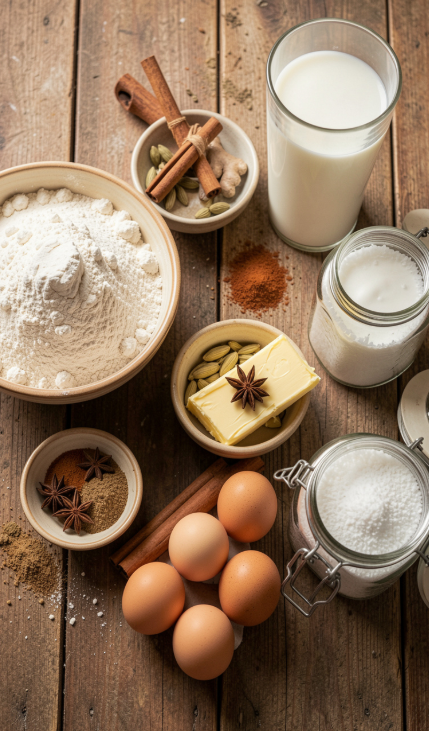
- Flour: Using a combination of cake flour and self-raising flour gives these koeksisters their signature light, cake-like texture .
- Spices: The spices are the heart of this recipe. For the best flavor, use fresh, good-quality ground spices. The combination of cardamom, ginger, cinnamon, and aniseed is traditional and gives the koeksisters their distinctive warmth .
- Yeast: Instant yeast is used for convenience. Make sure it’s fresh to ensure the dough rises properly.
- Sugar Syrup: The syrup soaks into the fried dough, adding sweetness and moisture. The addition of a cinnamon stick and cardamom pods infuses it with extra flavor .
Step-by-Step Instructions
1. Make the Dough
In a large bowl, mix the cake flour, self-raising flour, spices, sugar, yeast, and salt. In a separate jug, melt the butter in the hot water and add the milk .
Add the egg, oil, and the milk-water mixture to the dry ingredients. Mix thoroughly to form a soft, smooth dough. Cover the bowl and leave it to rise in a warm place for about 1–2 hours, or until doubled in size .
2. Shape and Rise Again
Once the dough has risen, lightly oil your hands to prevent sticking. Roll the dough into a sausage shape and cut it into 2cm slices. Roll each slice into a small ball . Set the balls aside on a lightly oiled surface and allow them to rise again for about 20-30 minutes.
3. Fry the Koeksisters
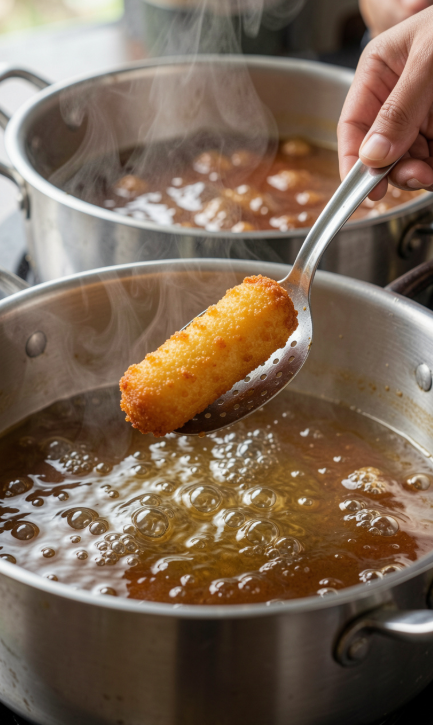
Heat oil in a large, deep saucepan to 180°C (350°F). Gently stretch each dough ball slightly into an oval shape and carefully lower it into the hot oil. Fry in batches, turning occasionally, until they are a deep golden brown. Remove with a slotted spoon and drain on a paper towel .
4. Make the Spiced Syrup
While the koeksisters are frying, prepare the syrup. In a large saucepan, combine the sugar, water, cinnamon stick, and cardamom pods. Bring to a slow boil, stirring to dissolve the sugar. Let it simmer until the syrup thickens slightly and becomes sticky .
5. Soak and Coat
Place the fried koeksisters into the hot syrup. Boil them in the syrup for 1-2 minutes, turning them to ensure they are fully coated . Remove from the syrup with a slotted spoon and immediately roll them in a bowl of desiccated coconut. Serve hot .
Expert Tips
- Temperature Control: The oil must be at the right temperature. If it’s too hot, the koeksisters will burn on the outside before cooking through. If too cool, they’ll absorb too much oil and become greasy .
- Don’t Skip the Second Rise: The second rise helps make the koeksisters light and pillowy.
- Syrup Consistency: The syrup should be slightly sticky. If it’s too thin, it won’t coat the koeksisters properly. If it becomes too thick, add a drop of water .
- Use a Slotted Spoon: This helps drain excess oil from the koeksisters before they go into the syrup.
Variations
- Potato Koeksisters: Some traditional recipes include mashed potato in the dough, which is believed to be the secret to an extra-soft, bouncy texture .
- Citrus Zest: Add some naartjie (mandarin) zest to the dough for a subtle citrus note .
- Coconut Filling: Make a slit in the koeksister and fill it with a glazed coconut mixture made by boiling sugar, coconut, water, cardamom, and cinnamon .
Storage Instructions
Koeksisters are best enjoyed fresh, but unsyruped koeksisters can be frozen. Defrost and bring to room temperature before heating the syrup and soaking them . Store any leftovers in an airtight container.
Common Mistakes to Avoid
- Overcrowding the Pan: Adding too many koeksisters to the oil at once will drop the oil temperature.
- Over-kneading: Knead the dough just until it comes together. Over-kneading can make the koeksisters tough.
- Burning the Syrup: Watch the syrup carefully to ensure the sugar doesn’t burn .
What to Serve With
- Milky Tea: The traditional Sunday accompaniment .
- Coffee: A strong coffee cuts through the sweetness perfectly.
Frequently Asked Questions
Q: What is the difference between koeksister and koesister?
A: The Afrikaans “koeksister” is a plaited, crisp pastry, while “koesister” (Cape Malay) refers to the spiced, soft, coconut-dusted doughnut .
Q: Can I make these without yeast?
A: No, yeast is essential for the characteristic light, pillowy texture of Cape Malay koesisters.
Q: Can I use a different oil for frying?
A: Yes, any neutral oil with a high smoke point, like canola or vegetable oil, will work.
Q: Why are my koeksisters raw in the middle?
A: The oil was too hot. Fry at a lower temperature so the inside has time to cook through.
Q: Why do you add the koeksisters to the syrup?
A: The hot syrup soak is essential to get that moist, syrupy texture that defines a koeksister.
Conclusion
These Cape Malay Koeksisters are a delicious and rewarding project. They are a wonderful way to explore a rich culinary tradition and bring a taste of South African Sunday mornings to your table. The combination of warm spices, soft dough, and sweet syrup is truly irresistible.
Have you tried making these Cape Malay Koeksisters? I’d love to hear how they turned out! Share your photos, tips, and any creative variations in the comments below. Happy cooking!