
The humble Wellington—a dish synonymous with luxury and celebration. Traditionally cloaking beef tenderloin in golden puff pastry, it’s a centerpiece that commands attention. But what if we told you there’s a lighter, faster, yet equally stunning version that’s perfect for a sophisticated weeknight dinner or an impressive dinner party? Enter the Salmon Wellington. This modern twist retains all the elegance and visual drama of its classic counterpart but swaps the red meat for a gorgeous, heart-healthy fillet of salmon. The result is a flaky, buttery pastry crust giving way to tender, flavorful salmon and a vibrant layer of creamy spinach and mushrooms. It’s a showstopper that’s surprisingly achievable, even for beginner cooks. In this detailed, step-by-step guide, we’ll demystify the process, share pro tips for success, and help you master this restaurant-quality dish in your own kitchen.

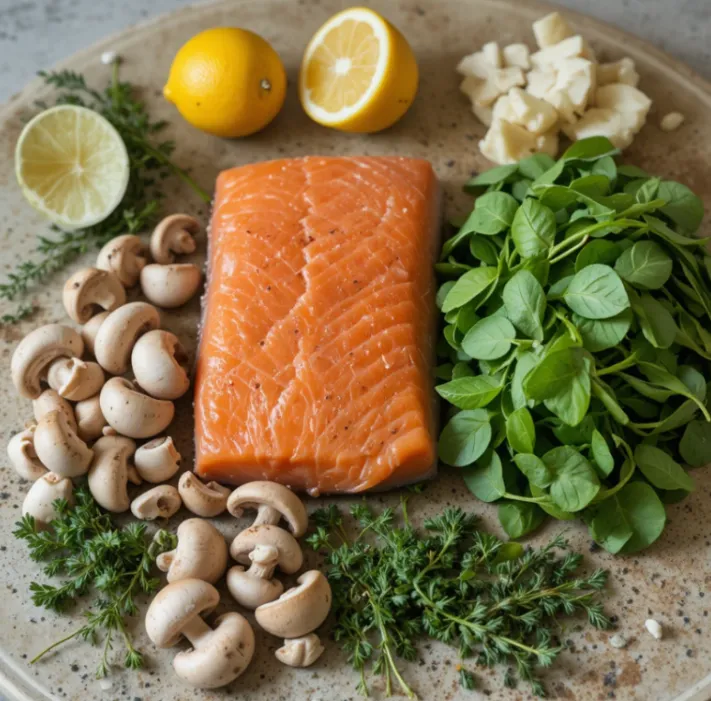
What You’ll Need: The Salmon Wellington Ingredients List
The magic of this dish lies in the harmony of simple, high-quality ingredients. Each component brings its own texture and flavor, creating a perfect bite. Let’s break down what you’ll need.
For the Salmon & Filling:
- Salmon Fillet: 1 center-cut piece, about 1.5 lbs (680g), skin removed. (Tip: Look for even thickness for uniform cooking).
- Cremini or Button Mushrooms: 8 oz (225g), finely chopped.
- Fresh Spinach: 5 oz (140g).
- Shallot: 1 medium, finely diced.
- Garlic: 2 cloves, minced.
- Cream Cheese: 4 oz (115g), softened at room temperature.
- Dijon Mustard: 2 tablespoons.
- Fresh Dill: 2 tablespoons, chopped (plus extra for garnish).
- Lemon: Zest of 1 lemon.
- Olive Oil: 2 tablespoons.
- Salt and Black Pepper: To taste.
For the Assembly:
- Puff Pastry: 1 sheet (about 8-10 oz / 225-285g), thawed according to package instructions. (All-butter pastry is highly recommended for the best flavor).
- Egg: 1 large, beaten (for the egg wash).
For Serving (Optional):
- Lemon wedges
- A simple dill cream sauce or beurre blanc
- Steamed asparagus or roasted baby potatoes
Step-by-Step Guide to Making the Perfect Salmon Wellington
Don’t be intimidated by the fancy presentation. By following these numbered steps, you’ll build your Wellington with confidence.
H2: Step 1: Prepare Your Components
- Prep the Salmon: Pat the salmon fillet completely dry with paper towels. This is crucial for a non-soggy pastry. Season it generously on all sides with salt and black pepper. Brush or spread the Dijon mustard evenly over the top and sides. Set aside.
- Make the Duxelles (Mushroom & Spinach Filling): Heat olive oil in a large skillet over medium heat. Add the diced shallot and cook until softened, about 3 minutes. Add the minced garlic and cook for another 30 seconds until fragrant.
- Add the finely chopped mushrooms and a pinch of salt. Cook, stirring occasionally, until the mushrooms have released all their liquid and it has evaporated, about 8-10 minutes. The mixture should be fairly dry. This step is key excess moisture is the enemy of puff pastry.
- Add the fresh spinach in handfuls, letting it wilt before adding more. Cook until all spinach is wilted and any residual liquid has cooked off. Transfer the mixture to a bowl and let it cool completely.
- Once cool, stir in the softened cream cheese, chopped dill, and lemon zest. Mix until fully combined. Taste and adjust seasoning. This is your flavorful duxelles.
H2: Step 2: Assemble the Wellington
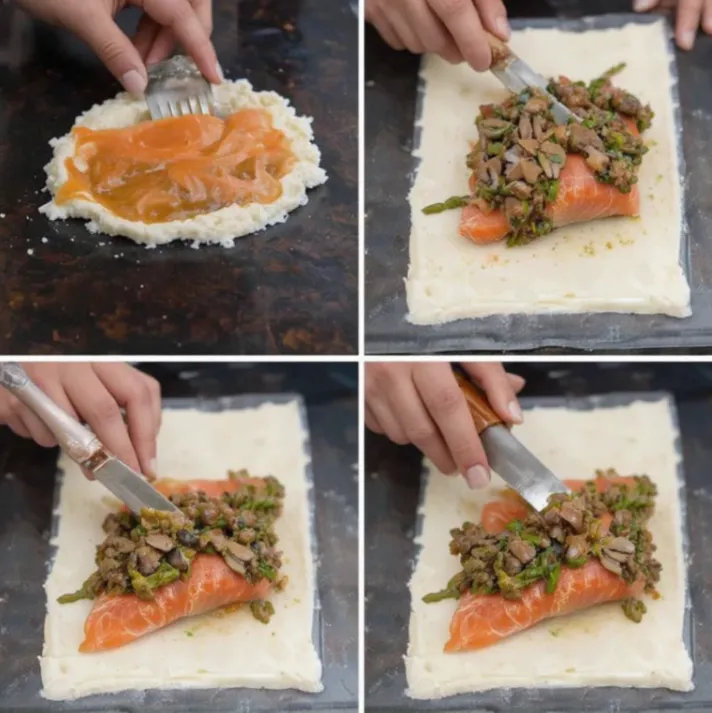
- Roll the Pastry: On a lightly floured surface, roll the thawed puff pastry sheet into a rectangle large enough to fully envelope your salmon fillet with about 2-3 inches of overhang on each side.
- Create the Base Layer: Spread the cooled mushroom and spinach mixture (duxelles) down the center of the pastry in a shape and size matching your salmon fillet. This acts as a moisture barrier and flavor bed.
- Add the Salmon: Place the mustard-brushed salmon fillet, mustard-side down, directly on top of the duxelles layer.
- Wrap it Up: Carefully fold the longer sides of the pastry over the salmon, then fold the ends over to create a neat parcel. It should be snug but not tight. You can trim excess pastry for a cleaner seal if needed, but ensure the seams overlap.
- Seal and Chill: Flip the entire parcel over so the seams are on the bottom. Place it on a parchment-lined baking sheet. Use a fork to crimp the edges lightly if desired. Refrigerate the assembled Wellington for at least 30 minutes (or up to 4 hours). This chills the butter in the pastry and is non-negotiable for a flaky, well-risen crust.
H2: Step 3: Bake to Perfection
- Preheat and Prep: While the Wellington chills, preheat your oven to 400°F (200°C).
- Egg Wash: Remove the Wellington from the fridge. Using a sharp knife, score the top of the pastry with shallow, diagonal lines or a classic cross-hatch pattern for decoration. Do not cut deep into the filling. Brush the entire surface generously with the beaten egg wash. This gives the pastry its beautiful golden color.
- Bake: Place the baking sheet in the preheated oven. Bake for 25-30 minutes, or until the pastry is deeply golden brown, puffed, and crisp.
- Rest: Once out of the oven, let the Salmon Wellington rest for 10 minutes before slicing. This allows the juices to redistribute and makes for cleaner slices.
Pro-Tips for Salmon Wellington Success
Even the most elegant dishes rely on simple techniques. Here are the secrets to making yours flawless.
- The Dryness Doctrine: The cardinal rule of any Wellington is moisture control. Ensure your salmon is patted dry, your duxelles is cooked until dry, and your spinach has no lingering water. Soggy filling = soggy pastry bottom.
- Pastry Pointers: Always work with cold, but not frozen, puff pastry. If it gets too soft and sticky while rolling, pop it back in the fridge for 10 minutes. The pre-bake chill is essential it solidifies the butter layers so they create steam and puff beautifully in the oven.
- Salmon Selection: Choose a thick, center-cut fillet for even cooking. Tail ends will overcook. Removing the skin is easy: place the fillet skin-side down on a board, make a small cut between flesh and skin at the tail end, hold the skin firmly with a paper towel, and slide your knife horizontally along the length.
- Don’t Skip the Mustard: The Dijon mustard isn’t just for flavor; its acidity helps cut through the richness and complements the salmon perfectly.
- The Rest is Best: Resisting the urge to slice immediately is hard, but it makes a world of difference. A rested Wellington holds its shape and maximizes flavor.
Bringing Your Culinary Masterpiece to the Table
Congratulations! You’ve just created a dish that looks like it came from a gourmet kitchen. To serve, use a long, sharp serrated knife to cut the Salmon Wellington into thick slices, revealing the beautiful layers. Present it on a warm platter with lemon wedges and a sprinkle of fresh dill.
Pair it with light, simple sides that won’t compete for attention. Buttered green beans, roasted asparagus, a crisp arugula salad, or creamy mashed potatoes are all excellent choices. A chilled glass of Chardonnay or a crisp Pinot Grigio completes the experience.
The beauty of this Salmon Wellington recipe lies not only in its stunning presentation but in its adaptability and the confidence it builds in the cook. It proves that with clear instructions and a bit of patience, you can tackle dishes that seem reserved for special occasions and make any meal feel extraordinary. So, gather your ingredients, follow these steps, and get ready to impress—yourself and your guests. Happy cooking