The Classic Quiche Lorraine: A Journey Through History and Flavor (Using 5 Perfect Eggs)

The Classic Quiche Lorraine: A Journey Through History and Flavor (Using 5 Perfect Eggs)
Introduction: More Than Just an Egg Pie
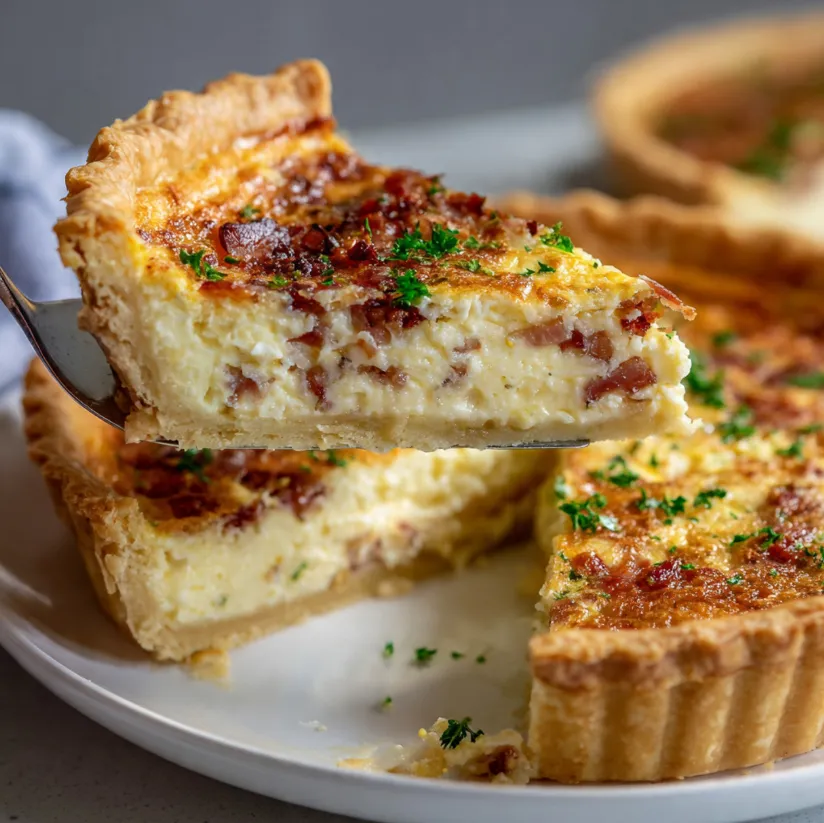
Imagine the scent of buttery pastry, smoky bacon, and rich, savory custard wafting from a warm oven. This is the aroma of Quiche Lorraine, a dish that transcends its humble origins to become a global icon of French cuisine. Far from being a simple “egg pie,” a true Quiche Lorraine is a masterclass in balance and texture—a flaky, blind-baked crust cradling a luxurious filling where cream, eggs, and bacon unite in perfect harmony.
In this definitive guide, we’ll embark on a culinary journey. We’ll explore the fascinating history of this dish from the medieval German kingdom of Lothringen to the bistros of modern Paris. Then, we’ll guide you step-by-step through creating your own impeccable Quiche Lorraine at home. The secret to its sublime texture? Using 5 perfect eggs the golden ratio that ensures a set yet tender, sliceable yet creamy custard every single time. Whether you’re a novice cook or a seasoned chef, this recipe promises delicious results.
The History of Quiche Lorraine: From Humble Origins to Culinary Star
Before we preheat the ovens, let’s step back in time. The word “quiche” itself derives from the German “kuchen,” meaning cake. Its birthplace is the Lorraine region in northeastern France, which was historically part of the Germanic kingdom of Lothringen.
Originally, in the 16th century, it was a simple farmer’s dish. Bakers would stretch their bread dough into a pan to create a base, then fill it with a mixture of eggs and cream from the farm a practical way to create a nourishing meal. The luxurious addition of smoked bacon (lardons) came later, solidifying its identity. It’s crucial to note that traditional Quiche Lorraine contains no cheese. The addition of Gruyère or Emmental is a delicious modern variation, but purists maintain that the classic trio is pastry, cream, eggs, and bacon.
This rustic tart gained fame beyond its regional borders in the 20th century and became a staple of French brasserie menus. Today, it is celebrated worldwide for its versatility, elegance, and comforting flavor.
Your Classic Quiche Lorraine Shopping List
Gathering high-quality ingredients is the first step to culinary success. This recipe is beautifully simple, so each component shines.
For the Shortcrust Pastry (Pâte Brisée):
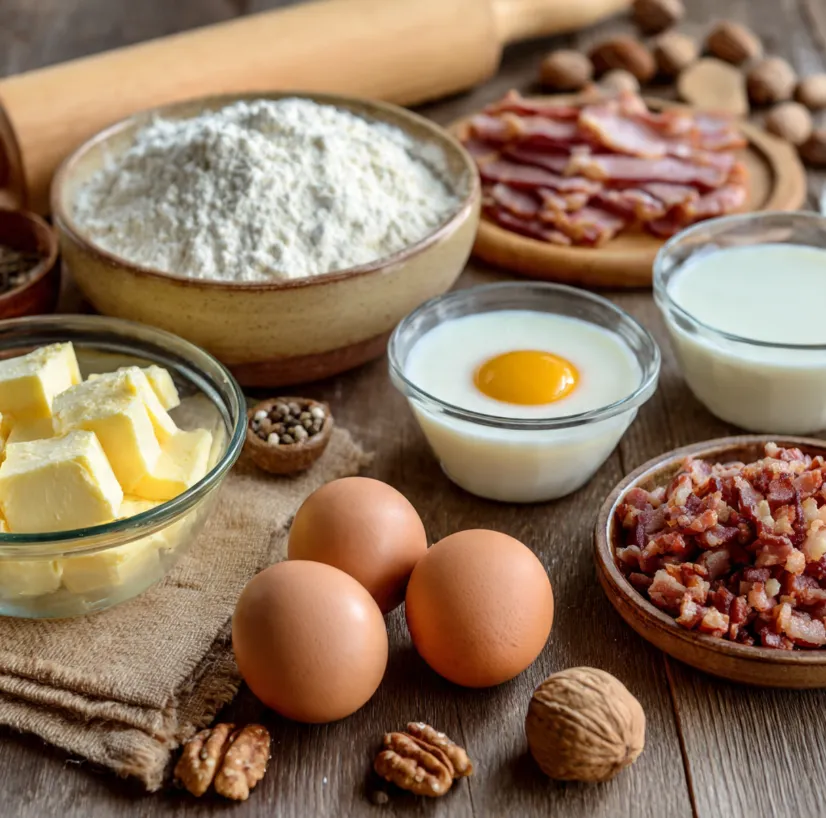
- 1 ¼ cups (160g) all-purpose flour, plus extra for dusting
- ½ teaspoon salt
- ½ cup (115g) very cold unsalted butter, cubed
- 3-4 tablespoons ice-cold water
For the Quiche Lorraine Filling:
- 5 large, fresh eggs (This is the key for perfect structure and richness)
- 1 ¼ cups (300ml) heavy cream (or use half cream, half whole milk for a slightly lighter version)
- ½ cup (120ml) whole milk
- 200g (7oz) thick-cut smoky bacon or pancetta, cut into small lardons (strips)
- ¼ teaspoon freshly grated nutmeg
- ½ teaspoon salt (use cautiously as the bacon is salty)
- ½ teaspoon freshly ground black pepper
- A pinch of cayenne pepper (optional, for a subtle warmth)
Equipment: 9-inch (23cm) tart pan with removable bottom, rolling pin, baking beans or pie weights, mixing bowls.
Step-by-Step Instructions for Perfect Quiche Lorraine
Follow these numbered steps carefully for a foolproof quiche.
Step 1: Prepare the Pastry Crust
- In a large bowl, whisk together the flour and salt.
- Add the cold, cubed butter. Using your fingertips or a pastry cutter, work the butter into the flour until the mixture resembles coarse breadcrumbs with some pea-sized butter pieces remaining. This creates flakiness.
- Gradually add the ice water, one tablespoon at a time, mixing with a fork until the dough just begins to clump together. Do not overwork.
- Turn the dough onto a lightly floured surface, gather it into a ball, and flatten into a disk. Wrap in plastic and refrigerate for at least 30 minutes (or up to 2 days).
Step 2: Blind Bake the Crust
5. Preheat your oven to 375°F (190°C).
6. On a floured surface, roll the chilled dough into a 12-inch circle. Gently transfer it to your tart pan, pressing it into the corners without stretching. Trim any excess overhang. Prick the base all over with a fork.
7. Line the pastry with parchment paper and fill with baking beans or pie weights.
8. Blind bake for 15 minutes. Then, carefully remove the parchment and weights, and bake for another 5-7 minutes until the crust is pale golden and dry. Set aside to cool slightly. Reduce oven temperature to 350°F (175°C).
H3: Step 3: Cook the Bacon and Make the Custard
9. While the crust cools, cook the bacon lardons in a skillet over medium heat until crisp and golden. Transfer to a paper towel-lined plate to drain excess fat.
10. In a large bowl or measuring jug, whisk the 5 eggs thoroughly until well blended.
11. Whisk in the heavy cream, milk, nutmeg, salt, black pepper, and optional cayenne until the mixture is completely smooth and homogeneous.
H3: Step 4: Assemble and Bake
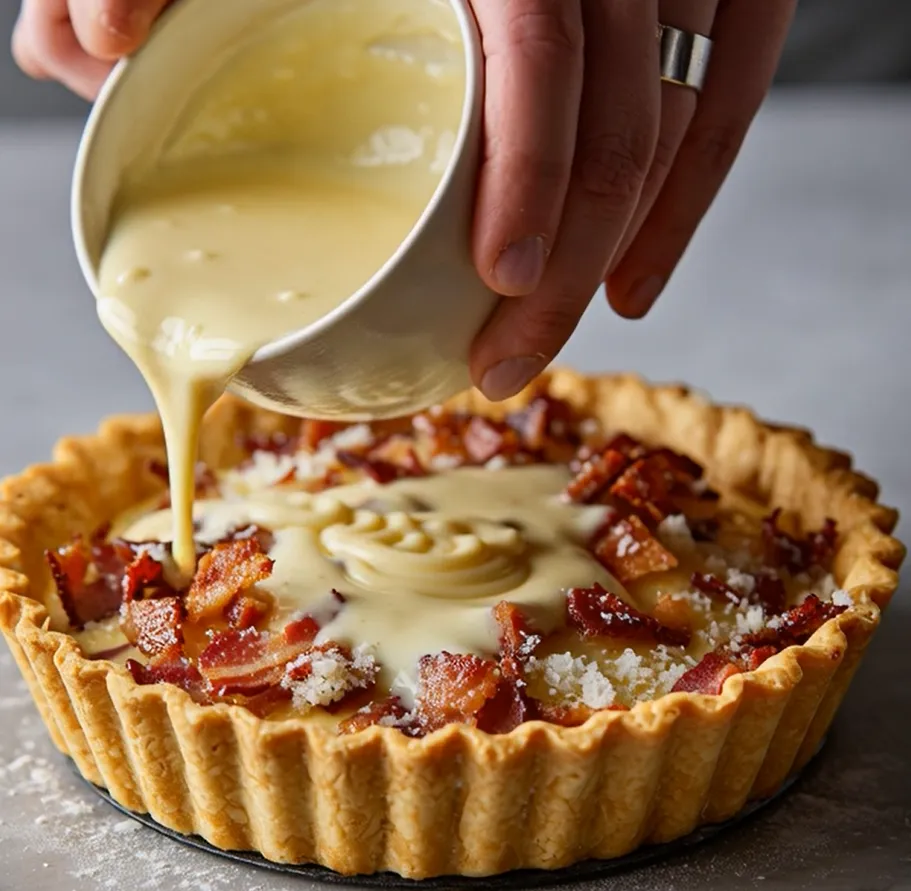
12. Sprinkle the crispy bacon evenly over the bottom of the pre-baked crust.
13. Important: Place the tart pan on a baking sheet (this catches any drips and makes handling easier). Slowly and gently pour the egg custard mixture over the bacon, filling the crust to just below the rim.
14. Carefully transfer the baking sheet with the quiche to the preheated 350°F (175°C) oven.
15. Bake for 35-45 minutes. The quiche is done when the edges are set and puffed, and the center still has a very slight jiggle (it will set further as it cools). The top should be a beautiful, even golden brown.
H3: Step 5: The Crucial Rest
16. Remove the quiche from the oven and let it cool in the pan on a wire rack for at least 20-30 minutes before slicing. This resting time is non-negotiable it allows the custard to set fully, ensuring clean, perfect slices.
H2: Pro Chef Tips for Quiche Lorraine Perfection
- The Cold Butter Secret: For the flakiest crust, ensure your butter and water are ice-cold. This prevents the butter from melting too soon, creating steam pockets during baking = flakiness.
- Avoid a Soggy Bottom: Blind baking (pre-baking) the crust is essential. Ensure it’s fully dry and lightly golden before adding the wet filling.
- The Egg Ratio: Why 5 eggs? This quantity provides the ideal protein structure to set the rich cream, preventing a greasy or runny filling while maintaining a velvety texture.
- Don’t Overwhisk: Once you add the cream to the eggs, whisk gently to combine. Vigorous whisking can incorporate too much air, leading to bubbles in your baked custard.
- Customize It: While classic has no cheese, feel free to add ½ cup of grated Gruyère for a delicious twist. Sautéed onions (though not traditional) are also a popular addition.
Conclusion: Your Culinary Masterpiece Awaits
Congratulations! You’ve not only followed a recipe but have also connected with centuries of culinary tradition. The Classic Quiche Lorraine, with its golden crust and rich, savory heart, is more than a meal—it’s a versatile centerpiece perfect for brunch, a light lunch with a green salad, or even an elegant dinner.
The journey from simple ingredients to a stunning tart is deeply rewarding. By mastering the technique of the crust, the custard, and understanding the role of those 5 perfect eggs, you’ve unlocked a foundational dish that you can adapt for seasons to come.
So, slice into your creation, savor the complex flavors of smoke, cream, and butter, and share this taste of French history. Don’t just read about it bake it, taste it, and make it your own. Bon appétit!