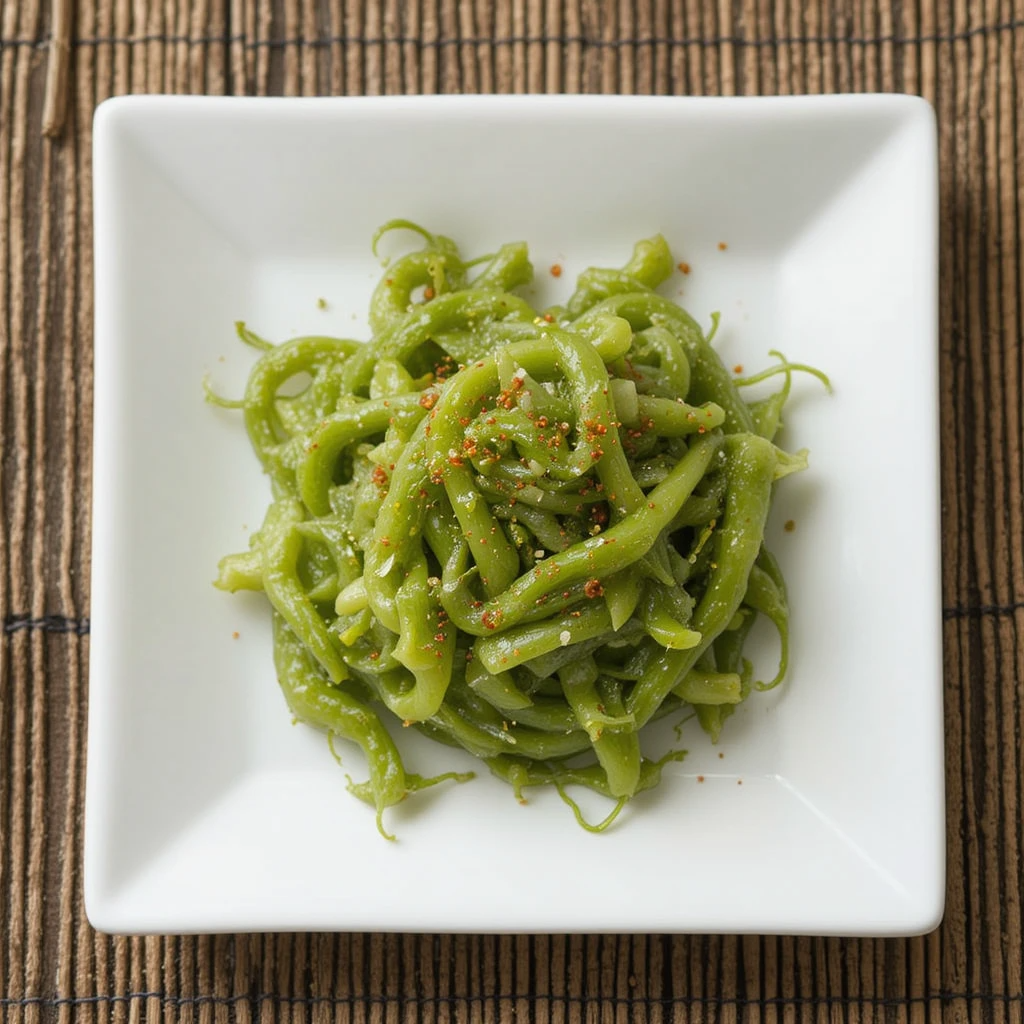
Introduction: Discovering the Wood Ear – A Culinary Treasure
Have you ever encountered a dark, crinkly ingredient in your hot and sour soup or a stir-fry that delivered a delightful, slightly crunchy bite? That, most likely, was the cloud ear mushroom, a humble fungus that is a powerhouse of texture and nutrition. Also known as wood ear mushroom, black fungus, or by its scientific name Auricularia auricula-judae, this ingredient is a staple across Asian cuisines but deserves a spotlight in every adventurous cook’s kitchen.
Unlike the soft, fleshy portobello or shiitake, cloud ears are prized for their unique gelatinous yet crisp texture and their incredible ability to absorb the flavors of any sauce or broth they’re cooked in. They are virtually tasteless on their own, making them the perfect culinary chameleon. In this comprehensive guide, we’ll demystify this incredible ingredient. You’ll learn how to select, prepare, and cook with cloud ear mushrooms, and we’ll walk through a classic, foolproof recipe that will make you a believer. Let’s unlock the potential of these wonderful mushrooms together!

What Are Cloud Ear Mushrooms? A Beginner’s Primer
Before we dive into the recipe, let’s understand our star ingredient. Cloud ear mushrooms grow on tree bark, particularly elder trees. They are typically sold dried, which is a huge advantage they have a long shelf life and rehydrate in minutes.
Key Characteristics:
- Appearance (Dried): Small, hard, blackish-brown, and crinkled discs.
- Appearance (Rehydrated): Expands 3-4 times in size, becoming soft, gelatinous, dark brown to black, with a distinct ear-like shape.
- Texture: Crisp, slightly crunchy, and bouncy (never mushy when cooked properly).
- Flavor: Very mild, earthy, and neutral they carry the flavor of your dish.
- Nutrition: Low in calories, a good source of iron, fiber, and antioxidants.
Your Toolkit: How to Buy, Store, and Prep Cloud Ears
Buying and Storing
You can find dried cloud ear mushrooms in any Asian grocery store, usually in plastic bags in the dried goods aisle. They are incredibly affordable. Store the unopened bag in a cool, dark pantry. Once opened, transfer them to an airtight container. They will keep for over a year.
The Essential Soaking Process
- Measure: A small handful of dried cloud ears expands significantly. For a stir-fry for four, about ½ cup of dried pieces is plenty.
- Rinse: Place them in a colander and rinse briefly under cold water to remove any dust.
- Soak: Put them in a medium bowl and cover completely with warm (not boiling) water. Hot water can make them too soft.
- Wait: Let them soak for 15-20 minutes. They will become soft and pliable.
- The Crucial Step – Cleaning: This is the most important part! Drain the mushrooms. Now, individually examine each piece. The base where it was attached to the tree is often woody and tough. Simply pinch it off and discard it. Also, feel for any gritty parts and rinse them away. This ensures a perfect texture.
- Slice (Optional): For stir-fries, slice the rehydrated mushrooms into bite-sized strips or pieces.

Classic Cloud Ear & Chicken Stir-Fry Recipe
This easy recipe highlights the textural contrast of the cloud ears with tender chicken and vibrant vegetables. It’s quick, healthy, and packed with flavor.
Ingredients List:
- ½ cup dried cloud ear mushrooms
- 1 lb (450g) boneless, skinless chicken breast or thighs, thinly sliced
- 1 red bell pepper, sliced
- 1 green bell pepper, sliced
- 3 cloves garlic, minced
- 1-inch piece ginger, minced
- 3-4 green onions, cut into 2-inch pieces
- 2 tablespoons vegetable oil (for frying)
For the Chicken Marinade:
- 1 tablespoon soy sauce
- 1 tablespoon Shaoxing wine (or dry sherry)
- 1 teaspoon cornstarch
- ½ teaspoon sesame oil
For the Stir-Fry Sauce:
- 3 tablespoons oyster sauce (or vegetarian oyster sauce)
- 2 tablespoons soy sauce
- 1 tablespoon Shaoxing wine
- ½ cup chicken broth or water
- 1 teaspoon sugar
- 1 tablespoon cornstarch mixed with 2 tablespoons water (slurry)
Step-by-Step Cooking Instructions
Step 1: Prepare the Components
Follow the soaking and cleaning guide above to prepare your cloud ear mushrooms. While they soak, slice the chicken and combine it with the marinade ingredients in a bowl. Mix well and set aside for 15 minutes. Prep all your vegetables and mix the stir-fry sauce ingredients (except the cornstarch slurry) in a small bowl.
Step 2: Stir-Fry the Chicken
Heat 1 tablespoon of oil in a large wok or skillet over high heat. Add the marinated chicken and spread it out in a single layer. Let it sear for 1-2 minutes without touching, then stir-fry until it is just cooked through and no longer pink. Remove the chicken to a clean plate and set aside.

Step 3: Cook the Aromatics and Vegetables
Add the remaining tablespoon of oil to the wok. Add the minced garlic and ginger and stir-fry for 30 seconds until fragrant. Add the sliced bell peppers and stir-fry for 2-3 minutes until they begin to soften but are still crisp.
Step 4: Combine and Sauce
Add the cleaned cloud ear mushrooms and the white parts of the green onions to the wok. Stir-fry for 1 minute. Pour in the prepared stir-fry sauce and bring to a simmer.
Step 5: Thicken and Finish
Give the cornstarch slurry a final stir and slowly drizzle it into the simmering sauce while stirring constantly. The sauce will thicken into a glossy coating. Return the cooked chicken (and any juices) to the wok. Add the green parts of the onions. Toss everything together for a final minute until piping hot and beautifully coated.
Step 6: Serve Immediately
Serve your cloud ear and chicken stir-fry over a bed of steamed jasmine rice or noodles. Enjoy the wonderful contrast of textures!
Useful Tips & Recipe Ideas Beyond Stir-Fry
- Don’t Overcook: The key to cloud ears’ appeal is their slight crunch. Add them towards the end of cooking to preserve their texture.
- Flavor Sponge: Because they are so neutral, make sure your seasoning (soy sauce, spices, broth) is robust.
- Size Matters: If the dried pieces are very large, you can break them up before soaking.
- Alternative Soaking: For a more intense flavor, soak them in warm stock instead of water.
More Ways to Enjoy Cloud Ear Mushrooms
- In Soups: The classic use! Add rehydrated, cleaned cloud ears to Hot & Sour Soup, wonton soup, or any clear broth soup in the last 5 minutes of cooking.
- In Dumplings: Finely chop rehydrated cloud ears and mix them into pork or vegetable dumpling fillings. They add a fantastic texture that contrasts with the soft filling.
- In Cold Salads: Boil sliced, rehydrated cloud ears for 2-3 minutes, then chill. Toss with a spicy sesame oil, chili, vinegar, and soy sauce dressing for a refreshing Chinese-style black fungus salad.
- As a Noodle Substitute: For a low-carb option, slice them thinly and use as a “noodle” in brothy dishes or cold sesame “noodle” salads.
Conclusion: Embrace the Crunch!
Cloud ear mushrooms are a testament to the idea that in cooking, texture is just as important as flavor. They are inexpensive, easy to prepare, and open a door to authentic Asian culinary techniques. This simple stir-fry recipe is just the beginning. Once you master the basic soaking and cleaning, a world of soups, dumplings, and salads awaits.
Don’t let their unusual dried appearance intimidate you. With this guide in hand, you have all the knowledge you need to confidently buy, prep, and cook with this unique ingredient. So, on your next grocery run, pick up a bag of dried cloud ears and give this recipe a try. You might just discover your new favorite textural element to add excitement to your everyday meals. Happy cooking