Introduction: A Twist of Sweetness and History
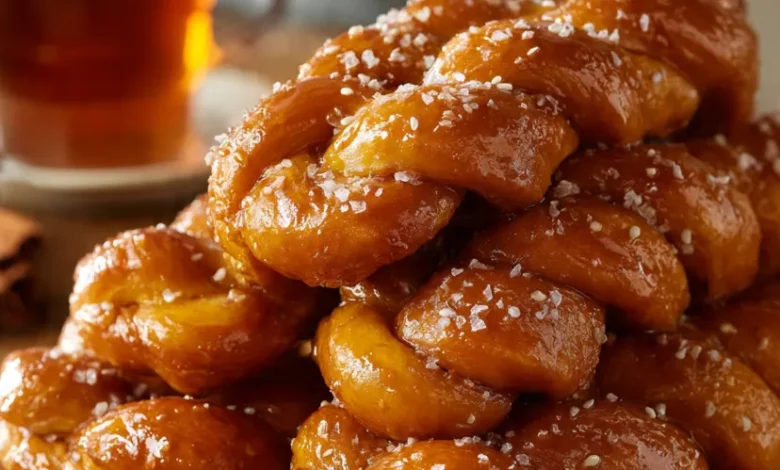
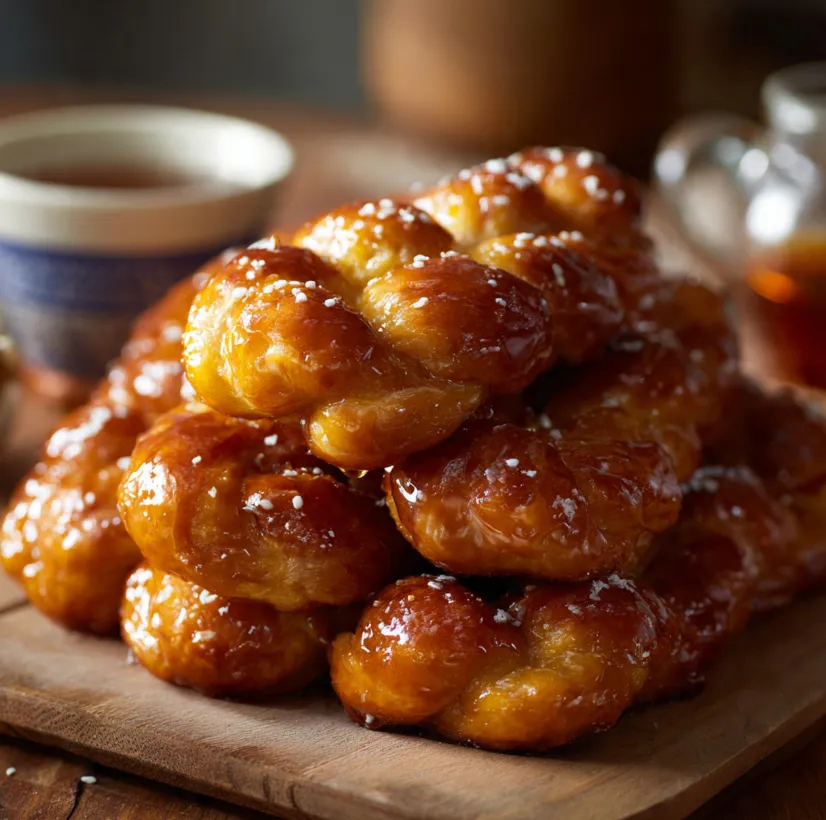
Close your eyes and imagine this: a crisp, braided doughnut, soaked in a fragrant, ice-cold syrup infused with ginger, cinnamon, and lemon. The first bite delivers a satisfying crunch, followed by an intense rush of sweet, spicy syrup that’s utterly moreish. This isn’t just any sweet treat; this is the Cape Malay Koeksister (pronounced cook-sister), a iconic South African delicacy steeped in centuries of history.
More than just a dessert, the Koeksister is a story on a plate. It represents the fusion of cultures in the Cape of Good Hope, where Malay and Dutch influences intertwined to create something uniquely South African. It’s a staple at family gatherings, church bazaars, and a proud symbol of Cape Malay culinary heritage. Forget what you know about the plaited, dry koeksister; the Cape Malay version is all about that glorious, sticky, aromatic syrup. Making them at home is a labor of love, but the result a perfect balance of texture and flavor is worth every minute. This guide will walk you through creating these syrupy braids with confidence, even if you’re a beginner in the kitchen.
What You’ll Need: Gathering Your Ingredients
Before you begin, it’s crucial to get your mise en place (everything in its place). The recipe has two main components: the dough and the syrup. The syrup needs time to chill thoroughly, so we often make it a day ahead.
Ingredients for the Syrup (The Heart of the Flavor)
- 3 cups (750ml) white granulated sugar
- 1 ½ cups (375ml) water
- 2 large slices of fresh ginger (about 1/4-inch thick)
- 2 cinnamon sticks
- 4 whole cloves
- 1 strip of lemon zest (about 2 inches long)
- 1 tablespoon (15ml) lemon juice
- 1 teaspoon (5ml) cream of tartar (this prevents crystallization)
Ingredients for the Dough
- 4 cups (500g) cake flour or all-purpose flour, plus extra for dusting
- 2 teaspoons (10ml) baking powder
- ½ teaspoon (2.5ml) salt
- 4 tablespoons (60g) cold unsalted butter, cubed
- 2 tablespoons (30ml) vegetable oil or melted butter
- 1 large egg, lightly beaten
- ¾ cup (180ml) ice-cold water (approximately)
- Vegetable oil, for deep frying (about 1 liter)
- Optional for coating: Desiccated coconut or sesame seeds

Step-by-Step Guide to Perfect Cape Malay Koeksisters
Follow these steps carefully for foolproof, syrupy koeksisters.
Step 1: Make the Syrup (Day Before or Early Morning)
- In a medium saucepan, combine the sugar, water, ginger, cinnamon sticks, cloves, lemon zest, and cream of tartar.
- Stir over low heat until the sugar completely dissolves.
- Increase the heat to medium and bring the mixture to a gentle boil. Let it simmer for 10 minutes without stirring.
- Remove from heat, stir in the lemon juice, and allow it to cool completely in the pan.
- Once cooled, strain the syrup to remove the whole spices and zest. Pour the syrup into a deep, rectangular container (a glass loaf pan works perfectly) and place it in the freezer. The syrup must be ice-cold, almost slushy, when the hot koeksisters are dipped. This is the secret to achieving that signature crunchy, syrup-soaked texture.
Step 2: Prepare the Dough
- In a large mixing bowl, sift together the flour, baking powder, and salt.
- Add the cold, cubed butter. Using your fingertips, rub the butter into the flour until the mixture resembles fine breadcrumbs.
- In a separate jug, mix the beaten egg and oil together.
- Make a well in the center of the flour mixture and pour in the egg-oil mix.
- Gradually add the ice-cold water, a little at a time, mixing with a knife or your hands until a soft, pliable dough forms. You may not need all the water. The dough should not be sticky.
- Turn the dough out onto a lightly floured surface and knead gently for about 5 minutes until smooth and elastic.
- Place the dough back in the bowl, cover with a damp cloth or plastic wrap, and let it rest for at least 30 minutes. This relaxes the gluten and makes rolling easier.
Step 3: Roll, Cut, and Braid
- Divide the rested dough into four equal portions. Work with one portion at a time, keeping the others covered.
- On a floured surface, roll the dough out into a rectangle about ¼-inch (5mm) thick.
- Using a sharp knife or pizza cutter, cut the rectangle into strips about ¾-inch wide and 4-5 inches long.
- Take three strips. Pinch the top ends together firmly.
- Braid the strips tightly, just like braiding hair. Pinch the bottom ends together to seal. Repeat with all the dough.
- Place the braided koeksisters on a floured tray and cover them while you heat the oil.

Step 4: Fry and Syrup – The Critical Moment
- In a deep, heavy-bottomed pot (like a Dutch oven), heat the vegetable oil to 350°F (175°C). Use a cooking thermometer for accuracy. The oil should be hot but not smoking.
- Carefully lower 3-4 braids into the hot oil at a time. Do not overcrowd the pot.
- Fry for 2-3 minutes on each side, turning once, until they are a deep, golden brown and puffed up.
- Act quickly now: Using a slotted spoon, remove the hot koeksisters from the oil, letting excess oil drip off for just a second.
- Immediately plunge the hot koeksisters into the ice-cold syrup from the freezer. Let them soak for about 30-45 seconds per side, using tongs to flip them, ensuring they are fully coated.
- Transfer the syrup-soaked koeksisters to a wire rack placed over a tray (to catch dripping syrup). Allow them to cool and set.
Pro Tips for Koeksister Success
- Temperature is Key: The contrast between the very hot oil and the ice-cold syrup is non-negotiable. It’s what creates the magical crackly crust that seals in the syrup.
- Syrup Consistency: If your syrup becomes too thick in the freezer, let it sit at room temperature for a few minutes. It should be cold and viscous, not solid.
- Oil Watch: Maintain a consistent frying temperature. If the oil is too cool, the koeksisters will be greasy. If it’s too hot, they will brown too quickly without cooking inside.
- Braiding Tightly: A tight braid holds its shape better during frying. Don’t worry if your first few are messy; they’ll still taste divine.
- Make Ahead: You can freeze the syrup for up to a month. The raw, braided dough can also be frozen on a tray and then stored in a bag, fried directly from frozen (add a minute to frying time).
Conclusion: Share the Sweetness
Congratulations! You’ve just created a piece of edible South African heritage. The process might seem detailed, but each step—from infusing the syrup to that final satisfying dip is part of the ritual that makes these treats so special.
Enjoy your homemade Cape Malay Koeksisters with a cup of strong black coffee or tea to balance the sweetness. They are best eaten the same day but will keep in an airtight container at room temperature for a day or two (if they last that long!).
We encourage you to embrace this recipe, make it your own, and share it with friends and family. There’s no better way to connect with a culture than through its food. Happy cooking, and lekker eet! (Afrikaans for “eat well!”).